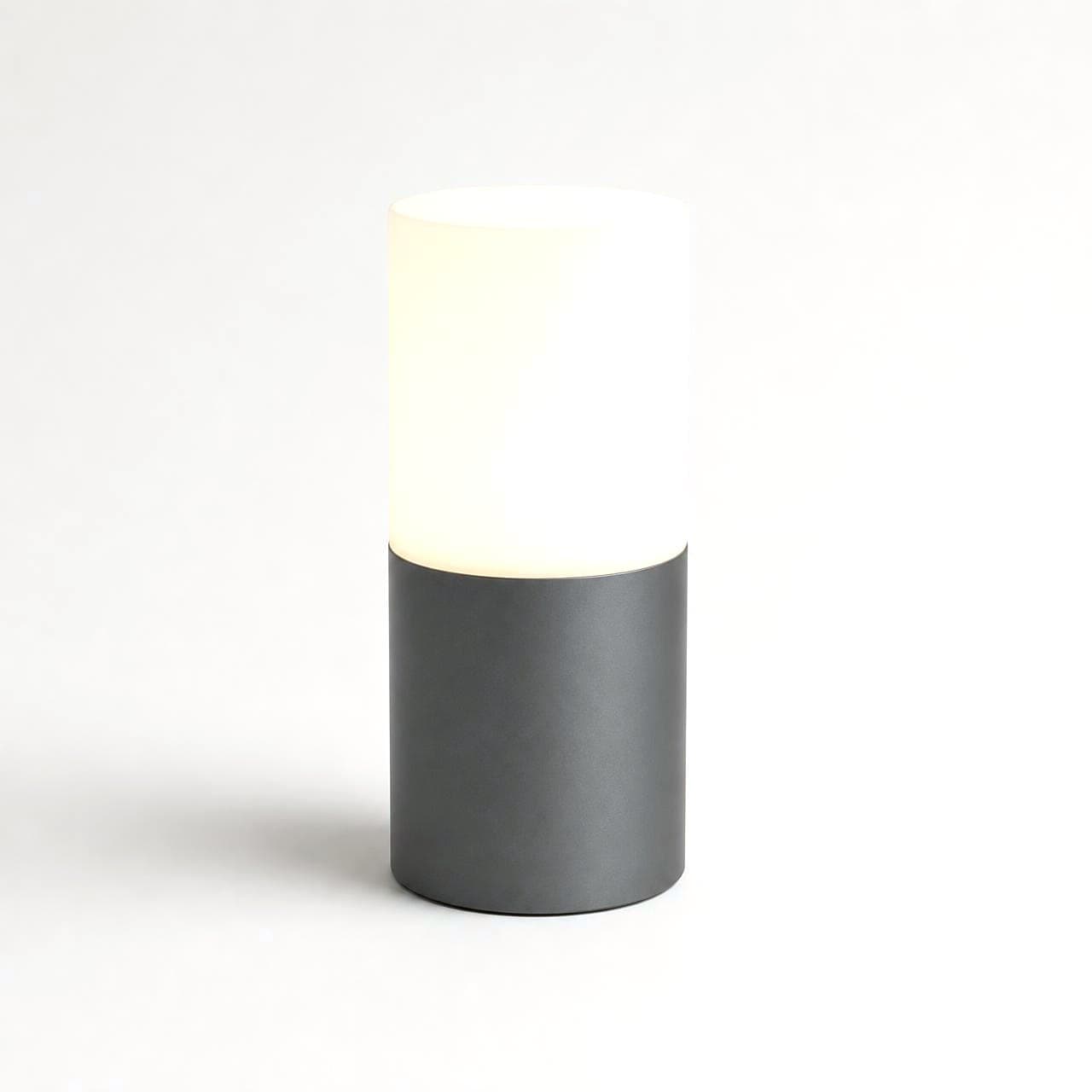
Where the intelligence lives — the brain of the system, running inside the home. Every other module reports into it. It reads as a lamp on purpose: the hub belongs in a room, not on a shelf of devices.
Mirrorfolio reads vital signs and the rhythms of daily life from across the room — breathing, movement, medication, rest — and tells you when they change. No cameras. No wearables. Nothing for your parent to do.
350+ family conversations · 30+ real-home deployments · 54 households signed up for the first pilot wave · 8 hardware generations built

What a good week looks like, said plainly.
Hospitals monitor continuously. Families call occasionally. Clinicians see snapshots weeks apart. Between those moments, small changes in routine — medication delayed, walking reduced, rest disrupted — go unnoticed until they become emergencies.
of heart-failure patients are readmitted within 60 days of discharge.
Wear it. Charge it. Open the app. Accept a camera in the room. For an older adult, that effort wears thin and the monitoring is slowly abandoned. We think understanding recovery is the caretaker's job, not the patient's, so Mirrorfolio asks nothing of them.
Devices left in drawers don't measure anything.
A flat battery is a blind spot in the record.
Daily check-ins fade within the first fortnight.
Self-reporting asks the most from those with the least energy.
Vital signs describe a body at a moment. Routine shows the pattern across weeks. Mirrorfolio reads both, contactlessly, and builds a baseline unique to each person — how they breathe at rest, when they wake, how they move through their home, whether they took their medication. When that pattern drifts, it means something. And you'll know before the phone call you dread.
Weeks at home build a picture of normal for one person.
Breathing and rest shift. Breakfast skipped. Medication delayed.
One signal is noise. Physiology and routine together are meaningful.
Family first. Clinicians when the family chooses to share.
Small, quiet devices sit where life already happens — the bedside, the medicine cabinet, the kitchen — and sense movement, presence and interaction, and our next generation adds contactless sensing of breathing and heart rhythm. No audio or video, ever: the intelligence runs on the hub inside the home, and nothing leaves it unless the family chooses to share.
When the day begins and how the night went.
Presence and timing — never pill counting.
Whether a meal happened, not what was eaten.
Breathing and heart rhythm, from across the room. In development.
Each device is a window into a different dimension of daily life. Together, they form a complete picture of routine — without ever asking the person living with them to change a thing.

Where the intelligence lives — the brain of the system, running inside the home. Every other module reports into it. It reads as a lamp on purpose: the hub belongs in a room, not on a shelf of devices.

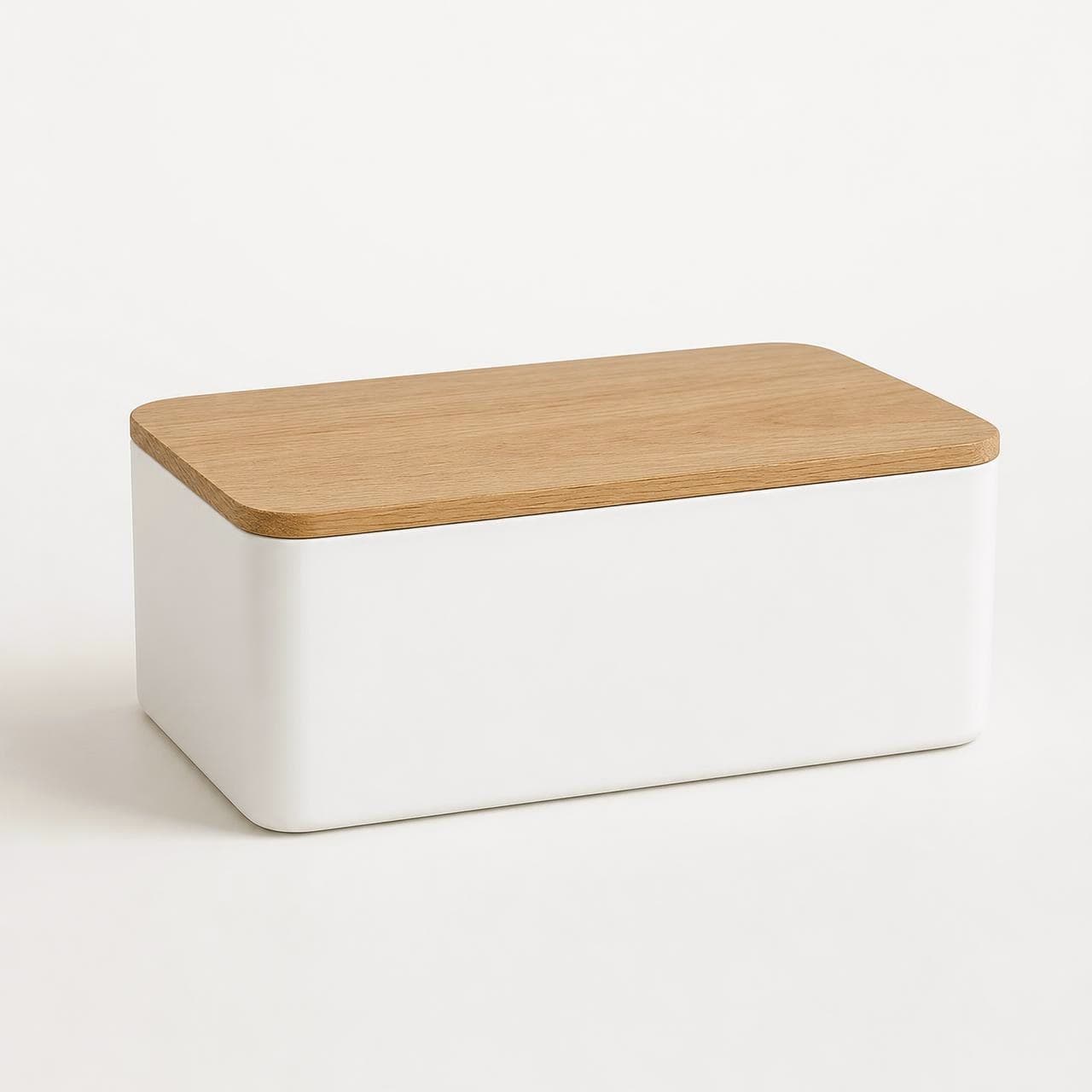
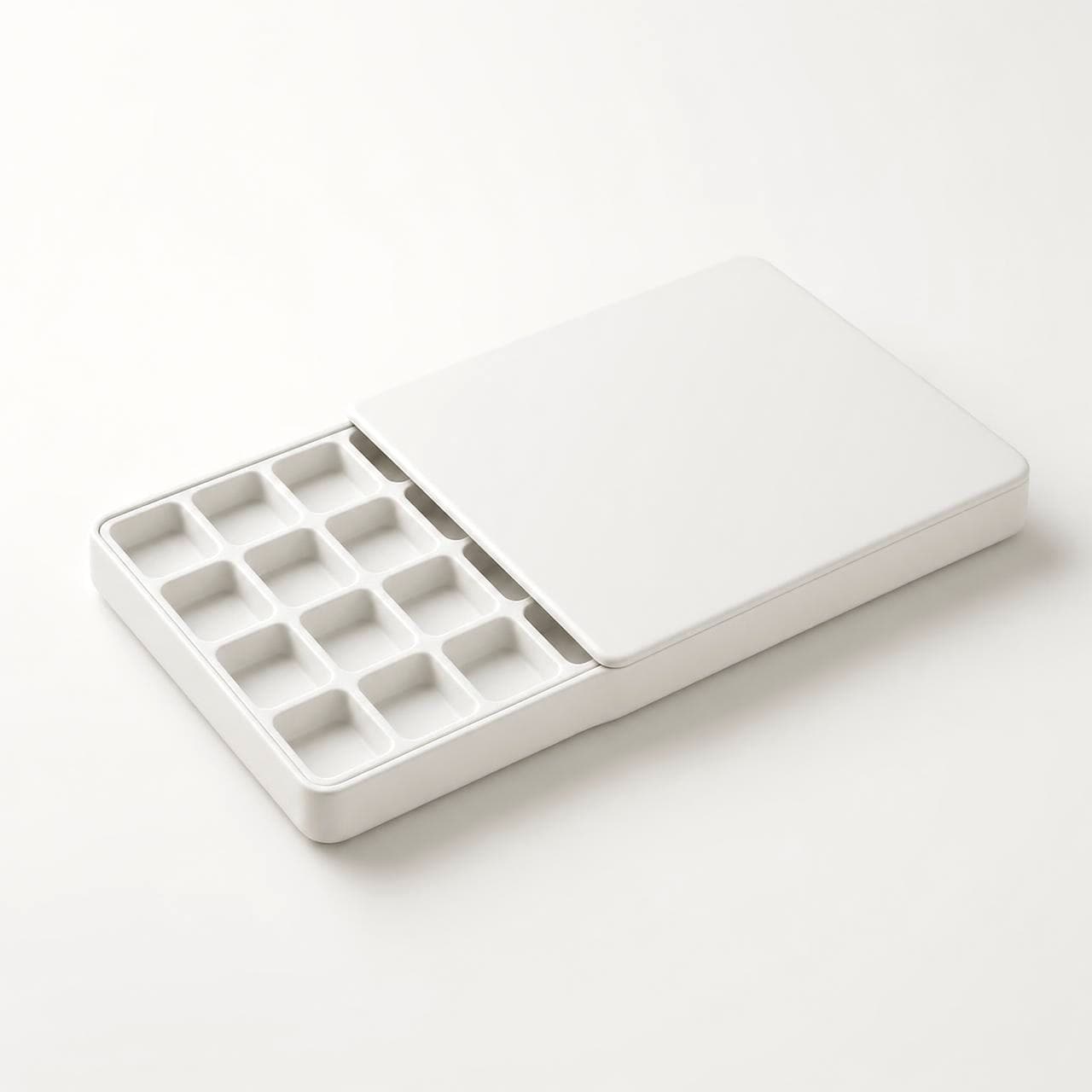
Senses medication interactions through natural presence. No pill counting. No bottle opening. Just timing and consistency.

Observes hydration and meal patterns through natural kitchen use.

An artisanal ceramic pot with artificial plants on top. Contactless: it reads heart-rate and respiratory trends from across the room, with nothing worn and nothing to press, while reading, to anyone else, as decor.

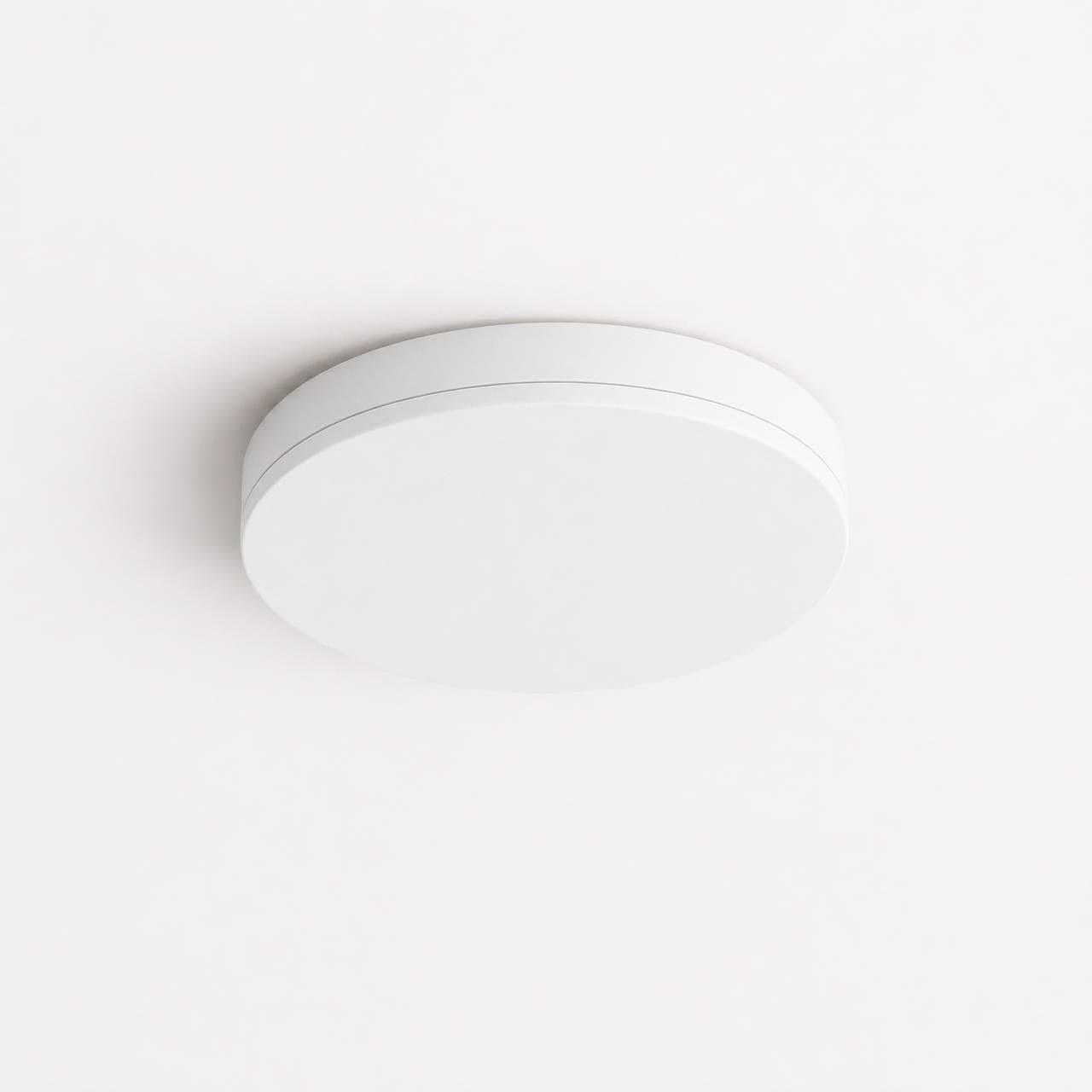
A quiet ceiling disc, mounted like a smoke detector. It senses falls, with no camera, and signals for help without anyone having to ask.
The family keeps growing. Everyday objects — undisclosed for now — join the system as new dimensions of recovery become worth sensing.
The daughter who sleeps through the night because she knows her father's routine is stable. The son who travels for work without the low-grade fear that something is wrong and no one would know. Mirrorfolio doesn't replace presence. It extends it.
"For the first time in two years, I don't wake up wondering if I should have called yesterday."

Mirrorfolio extends clinical visibility into the home, giving discharge coordinators objective data on how recovery is actually going. Not another monitoring dashboard — contactless recovery monitoring that fits the workflow you already have.
Visibility during the period that decides whether recovery holds.
Recovery trajectories instead of recalled symptoms.
Follow-up directed at the households that need it.
Discharge stops feeling like an ending.
30+ real-home deployments · 8 hardware generations built · in discussion with hospital chains in Kerala
We built it in living rooms, bedrooms and kitchens across India — with families who told us what actually matters, and with elderly users who showed us which devices get unplugged and which ones get forgotten.
Today it is post-discharge recovery; tomorrow, chronic disease management, preventive care and ageing in place. We start with hospital discharge desks and expand one household at a time — the intelligence compounds, the care improves, and the fear recedes.
Supervised real-world validation, in gated pilot waves of 50 households.
Hospital interest into LOIs and a paid pilot, which sets up the seed round.
Hospital chains refer at discharge, then direct to households.
Our first pilot wave is gated at 50 households in Kerala, and hospitals refer at discharge. Leave your details and we'll write to you when Mirrorfolio reaches your area — nothing else.
54 households signed up · 30+ real-home deployments · a person, not a script, replies